What is a Decommissioning & Restoration Plan
A Decommissioning & Restoration Plan is often treated as a formality, produced at consent and then filed away until the turbines approach the end of their operational lives. A good DRP is a working document with a clear purpose at every stage of the lifecycle, from newly consented sites through mid-life operation to the point where repowering or decommissioning decisions have to be made.
At the early stages of a windfarm's life it establishes realistic commitments and costings from day one. It gives planning conditions real substance, and it shows investors and lenders that end-of-life liabilities are understood and priced in.
During mid-life it can be refreshed to reflect evolution of decommissioning best practice, material markets, and regulatory changes since consent. This keeps restoration bonds and financial provisions in line with real costs, and strengthens the operator's position in asset transactions, refinancing, and life extension assessments.
In the run up to a repowering or decommissioning decision it provides the evidence the decision needs. It sets out what removal and restoration will involve, what it will cost, and where the materials will go, and it prepares the operator for what regulators and planners will expect to see demonstrated.
Why DRPs Matter
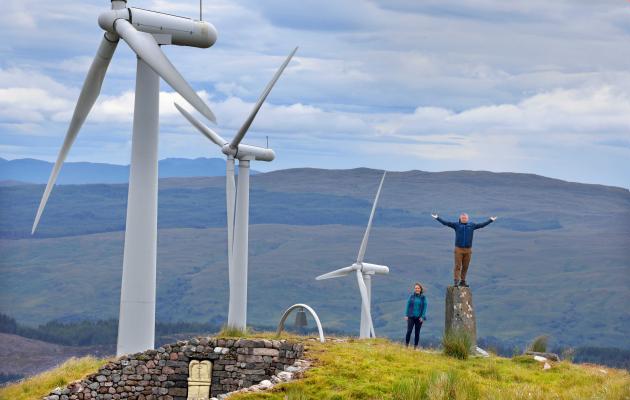
Regulatory authorities and planners increasingly expect operators to demonstrate a robust, deliverable approach to decommissioning and restoration. That expectation is at its most acute at repowering.
The case for a site's next generation increasingly rests on showing that its first generation can be responsibly closed out. Operators without a credible, current Decommissioning & Restoration Plan will likely find themselves answering these questions for the first time in the middle of a live application.
What a Reblade DRP covers
Reblade prepares site-specific plans grounded in operational practice. Each plan covers decommissioning methodology for turbines, infrastructure, and foundations; restoration commitments appropriate to the site and its consent conditions; material management planning, including realistic routes for blade waste; costings built from real delivery experience; and the stakeholder and regulatory considerations that shape what is deliverable in practice.
Why Reblade
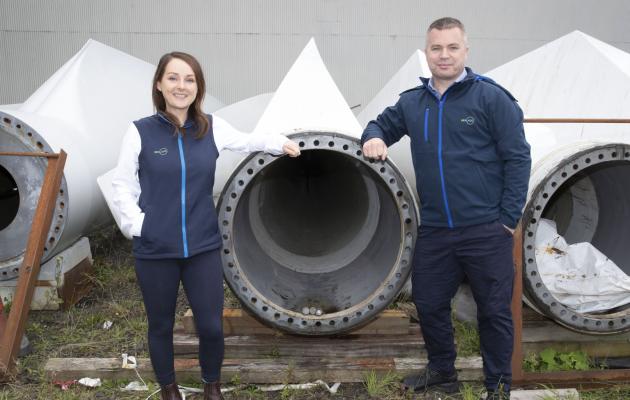
Reblade is the UK’s leading provider of Decommissioning & Restoration Plans, and our plans are written by people with experience of delivering the on-site work. As a Principal Contractor for windfarm decommissioning, Reblade brings direct operational experience to every plan, so the methodology and the costings reflect how the work actually happens on site. We also understand the drivers that matter to owners and operators: asset value, consent risk, investor confidence, and the commercial realities of end-of-life decisions.
Talk to us
Whether your site is newly consented, mid-life, or approaching a repowering decision, a Decommissioning & Restoration Plan will strengthen your position. Contact us to discuss where a DRP could fit in your asset strategy.
Contact us
We would be happy to speak with you in more depth about how we can support your decommissioning plans.